Running a Learn to Row course: a club guide
A good beginners' course is how most clubs grow. Here is how to plan one that keeps people safe and keeps them coming back.
By Civil Digital, the team building BoatLog · Last updated
BoatLog is independent software from Civil Digital. It is not affiliated with or endorsed by British Rowing or any organisation named in this guide. Always check the current official guidance and follow your club's own procedures.
Plan it
- Dates, times and number of places that match your coaches and boats.
- Stable boats and a calm stretch of water.
- Enough qualified coaches, with launch cover where needed.
- A clear price and how people pay.
British Rowing offers support and resources for clubs running Learn to Row courses.
Keep it safe
- Swim test and capsize drill before going afloat.
- A safety briefing on the first session.
- Beginners only in boats and conditions the club has agreed.
- Health questionnaire and emergency contacts.
Turn beginners into members
Have a clear next step ready: a novice squad, a membership offer and a named contact. Most clubs lose beginners in the weeks after the course, not during it.
How BoatLog helps
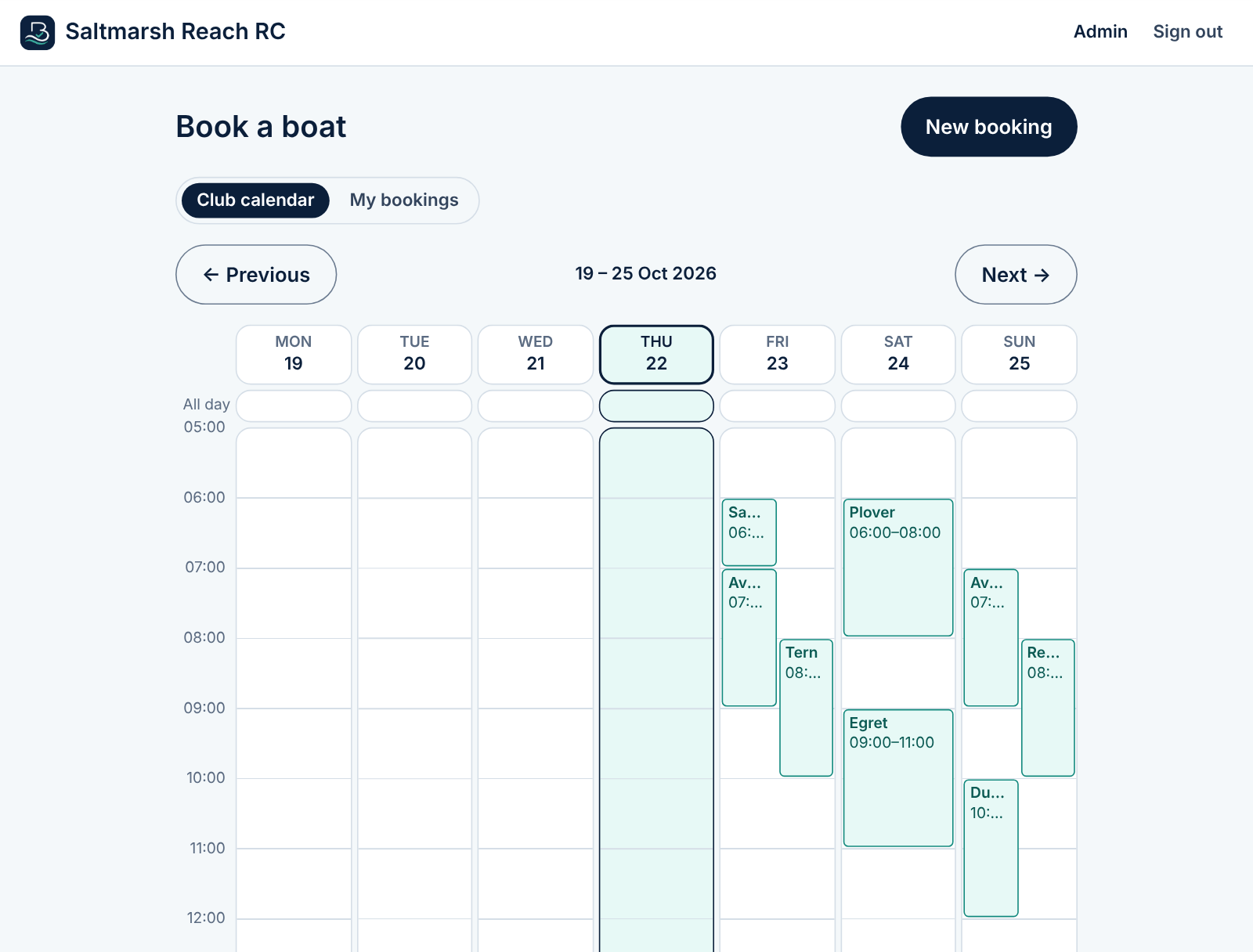
BoatLog helps run the course and what comes after: book boats for each session, record swim tests and capsize drills, restrict beginners to stable boats, and invite them to join the club with a membership category and subs ready to go.
Questions
FAQ
How long is a Learn to Row course?
Clubs vary. Many run a handful of sessions over a few weeks, then move beginners into a novice squad.
Do beginners need to pass a swim test?
Most clubs require a swim test, and often a capsize drill, before anyone goes on the water.
How do we keep beginners after the course?
Have the next step ready: a novice squad, a membership offer and a named contact who follows up.
Related
More from BoatLog
Run a safer, simpler boathouse
Sign-out, safety flags, incidents, repairs and qualifications in one app built for UK rowing clubs. Start a free 14-day trial, no card required.